What Is a Clover Lawn?
A clover lawn is a natural alternative to traditional grass lawns that uses clover plants as the main ground cover. Instead of high-maintenance turf, homeowners are turning to clover because it is easier to grow and requires less care.
Clover has been used in lawns for decades, but it lost popularity when chemical fertilizers became common. Today, it is making a strong comeback due to its eco-friendly benefits and low maintenance needs.
There are different types of clover used in lawns, with microclover and white clover being the most popular. Microclover has smaller leaves and blends well with grass, while white clover grows slightly taller and is more visible.
Types of Clover for Lawns
Choosing the right type is important if you want the best results.
Microclover Lawn
Microclover is ideal for those who want a neat and uniform look. It grows low and mixes easily with grass, making it perfect for modern lawns.
White Clover
White clover is more traditional. It grows faster and is more resilient, especially in poor soil conditions.
Clover and Grass Mix
Many homeowners prefer mixing clover with grass. This hybrid approach creates a balanced lawn that combines durability with low maintenance.
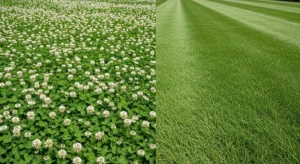
Clover Lawn Benefits
There are many reasons why people are switching to clover lawns.
First, clover is a low-maintenance option. It does not require frequent mowing, which saves time and effort.
Second, it naturally fertilizes the soil. Clover fixes nitrogen, which improves soil health without the need for chemical fertilizers.
Third, it is drought-resistant. Clover stays green even in dry conditions, making it a great choice for areas with limited rainfall.
Another benefit is its eco-friendly nature. It supports pollinators like bees and reduces the need for harmful chemicals.
Finally, it helps reduce weeds. Clover grows densely and prevents unwanted plants from taking over.
Clover Lawn vs Grass Lawn
When comparing clover vs grass, the differences are clear.
Grass lawns require regular watering, mowing, and fertilizing. In contrast, clover needs less water and minimal upkeep.
In terms of cost, clover is more affordable in the long run. You spend less on water, fertilizers, and maintenance.
However, grass lawns may handle heavy foot traffic better. Clover is softer but can wear down in high-traffic areas.
Appearance is another factor. Grass provides a classic look, while clover offers a more natural and slightly wild appearance.
Pros and Cons of a Clover Lawn
Pros
Low maintenance and easy to grow
Improves soil health naturally
Requires less water
Eco-friendly and sustainable
Cons
Attracts bees, which may not suit everyone
Not ideal for heavy foot traffic
May look uneven during certain seasons
Clover Lawn Cost Breakdown
Understanding the cost helps you make a better decision.
The initial cost of clover seed is usually lower than that of traditional grass seed. Depending on the type, it can range from affordable to moderate pricing.
Installation costs are also lower because clover requires less soil preparation.
Maintenance costs are where Clover truly shines. You save money on watering, mowing, and fertilizers over time.
Compared to grass, a clover lawn is a cost-effective solution for homeowners looking to reduce long term expenses.
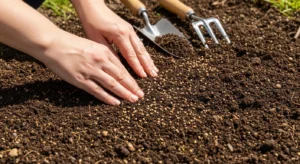
How to Plant a Clover Lawn
Growing a clover lawn is simple if you follow the right steps.
Step 1: Prepare the Soil
Clear the area of weeds and loosen the soil. Good soil preparation ensures better growth.
Step 2: Choose the Right Seed
Select between microclover or white clover depending on your needs.
Step 3: Best Time to Plant
The ideal time to plant is spring or early fall when temperatures are mild.
Step 4: Seeding Process
Spread the seeds evenly across the soil. Lightly rake the area to cover them.
Step 5: Watering
Keep the soil moist until the seeds germinate. After that, watering needs decrease.
Clover Lawn Maintenance Tips
Maintaining a clover lawn is easy compared to traditional grass.
Watering is minimal since clover retains moisture well.
Mowing is optional. If you prefer a tidy look, mow occasionally.
Weed control is rarely needed because clover naturally suppresses weeds.
Seasonal care includes light watering during extreme heat and occasional trimming.
Best Climate for Clover Lawns
Clover grows best in moderate climates. It performs well in both sunny and partially shaded areas.
In hot climates, it remains green longer than grass due to its drought resistance.
In cooler regions, clover can survive light frost but may slow down in winter.
It is also a great option for shaded lawns where grass struggles to grow.
Clover Lawn for Pets and Kids
Clover is a safe and soft option for families.
It is non-toxic, making it suitable for pets and children. Dogs can play freely without damaging the lawn as much as they would with grass.
Another benefit is reduced mud. Clover forms a dense cover that keeps soil in place, which is helpful during rainy seasons.
Common Mistakes to Avoid
Many beginners face issues because of simple mistakes.
Planting at the wrong time can affect growth. Always choose the right season.
Overwatering can harm clover. It needs less water than grass.
Choosing the wrong type of clover may lead to poor results.
Ignoring soil preparation can result in uneven growth.
Clover Lawn Problems and How to Fix Them
Sometimes problems can occur, but they are easy to fix.
Patchy growth can be solved by reseeding the affected areas.
Weed invasion may happen if the lawn is not dense enough. Overseeding helps prevent this.
Yellowing can occur due to poor soil conditions. Improving soil health usually solves the issue.
Is a Clover Lawn Worth It?
If you are looking for a low-maintenance and eco-friendly option, a clover lawn is definitely worth considering.
It is ideal for homeowners who want to save time, reduce costs, and support the environment.
However, if your lawn experiences heavy foot traffic or you prefer a perfectly uniform look, traditional grass might still be a better option.
Overall, the clover lawn offers a balanced solution for modern landscaping needs.
FAQs
Is clover better than grass?
Clover is better for low-maintenance and eco-friendly lawns, while grass is better for heavy-use areas.
Does clover need mowing?
Clover does not require frequent mowing, but occasional trimming can improve appearance.
How long does a clover lawn last?
With proper care, it can last for many years and even reseed itself naturally.
Will clover take over my lawn?
Yes, clover can spread, but it can be managed easily with mowing and maintenance.