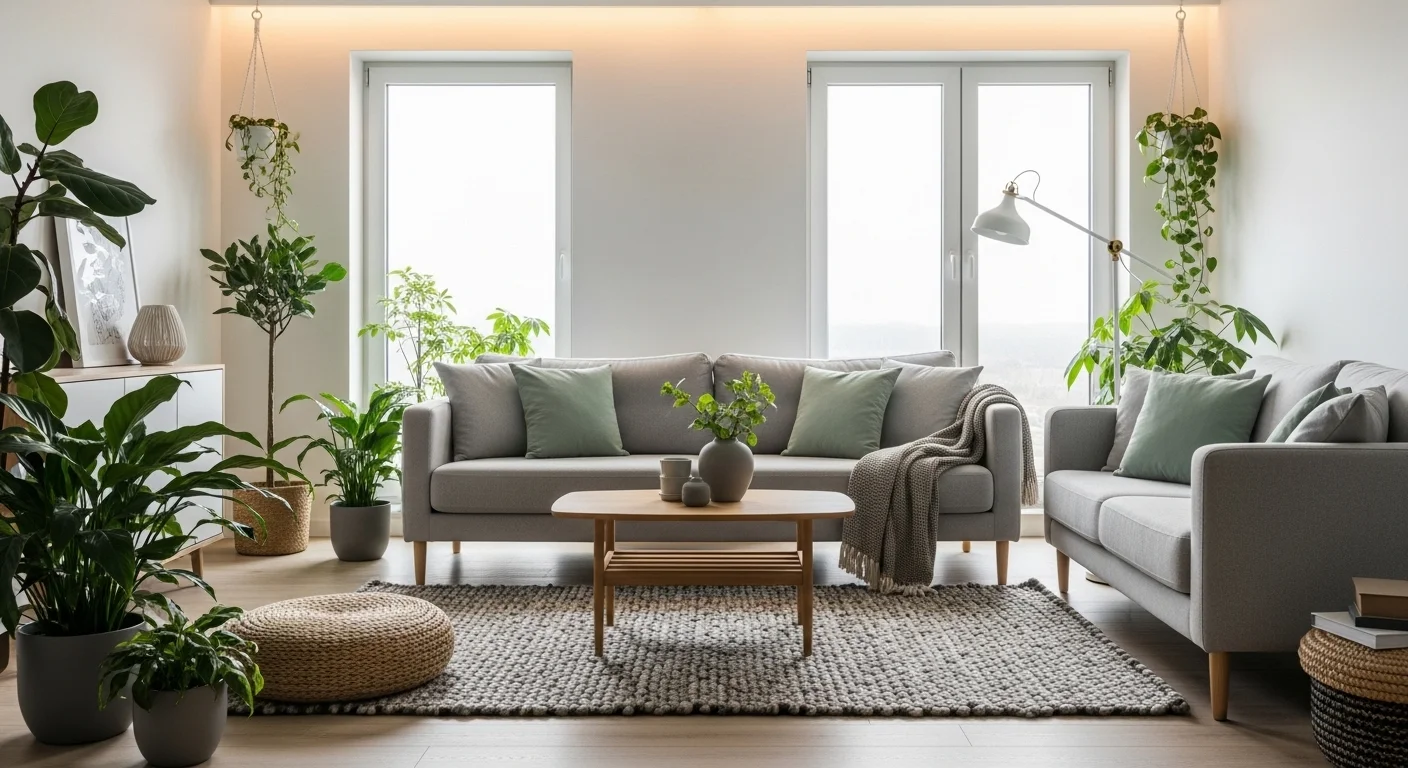
Creating a stylish and calming living room starts with choosing the right colour palette. The combination of sage and grey has become a favourite among homeowners and interior designers for its ability to bring serenity and sophistication into a space. A sage and grey living room balances the earthy tones of green with the neutral elegance of grey, offering a versatile backdrop that works well with both contemporary and classic furniture. In this guide, we will explore everything from color choices and furniture placement to textures, accessories, and eco-friendly tips, helping you design the perfect living room.
Why Sage and Grey Works Together
Sage green and grey are more than just beautiful colours. Sage brings a natural, calming vibe while grey offers a neutral, grounding effect. Together, they create a harmonious space that feels modern yet timeless. This combination works well because it can adapt to various design styles, from minimalist Scandinavian interiors to cozy traditional homes. Using a sage and grey living room palette also allows for flexibility with accent colours like mustard, navy, or soft pinks, providing opportunities to inject personality without overwhelming the space.
Colour psychology shows that green promotes relaxation and balance, making it ideal for living areas. Grey, on the other hand, conveys stability and elegance, which makes the overall living room feel composed and inviting. This makes sage and grey a perfect pairing for homeowners who want both aesthetic appeal and a sense of calm in their main living area.
Choosing the Right Shades
When designing a sage and grey living room, selecting the right shades is crucial. Sage green comes in light, muted tones as well as deeper, richer shades, while grey can range from soft dove to charcoal. For smaller spaces, lighter shades of sage and grey can make the room feel more open and airy. For larger rooms, incorporating deeper tones creates a cosy and intimate atmosphere.
One effective strategy is to use grey as the base colour for walls or larger furniture pieces while incorporating sage in accents such as cushions, throws, or a feature wall. Layering shades of green with different tones of grey adds depth and visual interest. Additionally, mixing in natural textures like wood and rattan can enhance the warmth and prevent the palette from feeling flat or monotonous.
Room Layout and Furniture Placement
The layout and furniture selection in a sage and grey living room play a major role in creating a balanced and functional space. Start with the main furniture pieces, such as the sofa and coffee table. Grey sofas paired with sage accents are timeless and versatile. Add a comfortable armchair in sage or grey to create a conversational area.
For smaller rooms, consider multi-functional furniture that saves space while keeping the area visually appealing. Floating shelves or built-in cabinets can complement the sage and grey tones while providing storage. Creating a focal point with a feature wall, artwork, or a statement rug in the same colour palette can also anchor the room and make it feel cohesive.
Textures and Materials
To prevent a sage and grey living room from feeling flat, layering textures is essential. Incorporate fabrics like linen, velvet, and wool for upholstery, cushions, and throws. Wood, rattan, and natural fibres for furniture or accessories add warmth and complement the earthy tone of sage green.
Mixing textures not only adds visual interest but also makes the room more inviting. For example, a grey velvet sofa paired with a soft sage wool throw and a jute rug creates a tactile contrast that is pleasing both to the eye and touch. Layering textures is a subtle yet effective way to make the space feel luxurious without overwhelming the calming palette.
Accent Colours and Accessories
While sage and grey form the core palette, carefully chosen accents can elevate the overall design. Metallic accessories like brass lamps, gold vases, or silver picture frames can add elegance and a reflective quality to the room. Earthy accents, including terracotta pots or wooden bowls, complement the sage tones beautifully.
Cushions, throws, and rugs are easy ways to introduce colour variations. Consider adding muted pastels, mustard yellow, or soft pinks to create visual interest without clashing with the serene foundation of grey and sage. Accessories like wall art, mirrors, and indoor plants complete the look and make the room feel personalized and inviting.
Lighting and Ambiance
Lighting is a key factor in showcasing the beauty of a sage and grey living room. Natural light enhances the calming effect of sage green, making the room feel brighter and more open. Layered lighting, including floor lamps, table lamps, and ceiling fixtures, allows you to create different moods depending on the time of day or activity.
Warm lighting complements both sage and grey tones, creating a cosy and inviting atmosphere. Accent lighting can highlight textures, artwork, or a feature wall, adding dimension to the room. Combining ambient, task, and accent lighting ensures the space is functional while maintaining a serene aesthetic.
Plants and Natural Elements
Incorporating plants and other natural elements enhances the earthy feel of a sage and grey living room. Indoor plants such as ferns, fiddle leaf figs, or succulents introduce life and vibrancy, breaking up the neutral tones. Wooden furniture or bamboo accessories further amplify the natural, calming effect of the palette.
Plants also improve air quality and add a dynamic, living texture that changes with the seasons. Combining greenery with sage and grey tones creates a cohesive, serene environment that encourages relaxation and well-being.
Common Mistakes to Avoid
When designing a sage and grey living room, there are some pitfalls to watch for. Using too much grey can make the space feel cold and uninviting, while too much green can overwhelm the room. Avoid clashing undertones by testing paint and fabric swatches before committing.
Over-decorating with too many accent colours can dilute the serene effect. Similarly, neglecting textures can leave the room feeling flat. Balancing colours, layering textures, and maintaining cohesive accents are key to achieving a harmonious sage and grey living room.
Eco-Friendly and Sustainable Tips
Sustainability is an important consideration for modern living rooms. Opt for furniture made from sustainably sourced wood or recycled materials. Eco-friendly paints in sage and grey tones can reduce the environmental impact while still providing beautiful, lasting colour.
Repurposing or upcycling old furniture pieces is another way to add character while staying eco-conscious. Choosing durable fabrics and low-maintenance décor ensures your sage and grey living room remains beautiful over time without excessive waste.
FAQs
How can I style a small sage and grey living room?
Use lighter shades of sage and grey to make the space feel larger. Incorporate mirrors and multi-functional furniture to maximize space. Layer textures to add depth without overcrowding.
Can I use other colours with sage and grey?
Yes, muted pastels, soft pinks, mustard yellow, or metallics work well as accent colours without disrupting the serene palette.
What furniture works best with sage and grey?
Neutral-toned sofas, wooden coffee tables, and rattan or natural fibre chairs complement sage and grey beautifully. Add throws and cushions in complementary tones to enhance warmth.
Conclusion
A sage and grey living room offers the perfect blend of style, serenity, and versatility. By carefully selecting shades, layering textures, incorporating natural elements, and balancing accent colours, you can create a space that feels timeless and inviting. Remember to consider lighting, eco-friendly choices, and personal touches through accessories and plants. With these tips, your sage and grey living room will become a sanctuary that reflects both elegance and comfort.
Leave a Reply